

Connect with the GNE Myopathy Community
Patient Advocates
NDF’s Certified Patient Advocates connect people living with GNE myopathy with support and resources around the world. Explore the directory below or contact NDF for help finding an advocate.
These profiles and personal stories were originally shared on NDF’s previous website. Ages, roles and references reflect the time they were written. Contact NDF to confirm current availability.
North America
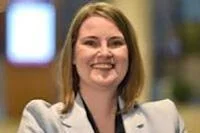
Amy Curran
Patient Advocacy Program Manager
Eastern Region
Read My Story
I am the youngest of 4 children in my family, all whom have been diagnosed with GNE Myopathy. After 20 years of confusion and misdiagnoses, receiving the correct diagnosis from a doctor at Children’s Hospital of Pennsylvania stands out as a critical moment for my family. I was 27 and it had been nearly 6 years since my first symptom, foot drop, had become noticeable. My eldest sibling was 40 years old with symptoms starting roughly 23 years ago. By this time, my two eldest siblings were in power wheelchairs. We finally had our answer to what disease ailed us. Now, all we had to do was find a way to live with it and hope for a cure.
I,like many others with my type of disability, found the life changes too much to deal with at first. I started seeing symptoms around age 21 of foot drop while wearing flip flops or during rainstorms. I was an undergraduate in Biology with a pre-medicine discipline. At the start of my symptoms, I had a career choosing crisis and sought the advice of my college advisors. I had doubts about becoming a doctor with my unknown debilitating disability; I could see what was happening to my siblings and I didn’t know if I could become a doctor. Besides the undiagnosed GNEM, I suffered from frequent migraines headaches. Ultimately, my advisors led me down a path towards teaching and I found another love. I graduated with a bachelor’s degree in Biology and went to graduate school to receive my master’s degree in Education with a specialty in Special Education.
My background enabled me to receive a job offer more quickly than my peers and I became a middle school special education teacher with certifications in multiple subjects including special education, biology, math, and language arts. During my 9 years teaching, I went through drastic life changes emotionally and physically, often using my career as my crutch to hang on to. Physically, I transitioned to using hiking boots for foot drop, then braces on my legs, once I received an official diagnosis. Emotionally, I lost a 9-year relationship because of my disability and picked myself back up again. Then, one icy, slushy, afternoon I slipped on stairs and suffered a traumatic Brain injury and fractured my skull. I lost my driver’s license and I was out of work for the rest of the year. In terms of what could have been, I was lucky. I like to say I had a guardian angel looking out for me that day. The hood of my sweatshirt literally saved my life. Without it up, doctors say I would not have survived. Anyone who knows me well enough, knows that I hate hoods but that day I put my hood up. Recovery was difficult and took months. I still have some lingering symptoms, including hardly any smell or taste and some short-term memory issues.
I went back to work the next school year, 6 months later, earlier than I should have and ultimately, had to go on medical leave again. During that year, I used a cane and a transfer chair for longer distances. I also started the process for a power wheelchair while transitioning to a walker. For my health, I never returned to work and stayed out on disability.
One great thing came out of that last year of work. I decided to try and find love. I went on a dating site and had to figure out a way to handle explaining to people about GNEM and then, possibly go on first dates. Boy, do I have some stories! But the good news is, I met the most amazing man in my life, Jonathan. He has never left my side from the first day I met him, even when we realized I wasn’t fully recovered from my brain injury. He has devoted his life to me and GNEM. He knows more about dealing with GNEM and patients than any PT/OT/Drs/or aides. Jonathan guided me through my decision to leave work.
Choosing to leave work took a larger toll emotionally on me than I expected. I felt like I lost my purpose in life. I spent months lost in not knowing my path in life. Who am I now? What am I to do with my life? I found an advertisement for NDF’s Symposium on GNEM, but didn’t sign up for it. Jon registered, asked for a scholarship, and bought the plane tickets. He knew this symposium was something I needed. Emotionally, I was angry at my life situation. We attended the Symposium and my life changed. I started to feel more connected to other people in the GNEM community. I had the realization that I am not alone. More importantly, I felt something that I didn’t realize I was missing. I wasn’t initially labeled Amy, you know, the disabled person; I was just Amy. I wasn’t seen for my disability; I was seen for me, my personality, my soul. When we talk to anyone in the greater GNEM community, you feel like family; there are no judgments, just strength and love.
During the next year, I worked on my well-being. At the next Symposium, I volunteered to help NDF in any way that I could. Thus, started my journey towards advocacy. That following new year’s my resolution was advocacy. I wanted to immerse myself in the world of advocating for all people with disabilities.
I started my advocacy journey by helping the NDF a couple hours each week with various projects. My life felt fulfilled with purpose. At the end of January, I applied for a committee position with the Muscular Dystrophy Association (MDA). Only 15 people across the country were going to be chosen. I didn’t think my chances were great because my advocacy journey had just begun, but I was wrong. The MDA chose me, and I am now a proud member of the MDA’s National Community Advisory Committee. While I cannot reveal too much, I can say that the National Community Advisory Committee is a 15-member group that will advise MDA on matters of importance to families living with neuromuscular diseases and help inform MDA’s efforts to support individuals to live unlimited lives.
I continue to work with NDF and volunteer with the MDA. I also volunteer for the Rare Disease Legislative Advocates and attend meetings with legislators about topics relevant to the rare disease community.
My personal motto is community helps community. I hope that I help more people connect with the NDF and discover all they have to offer, including seeing you for you, not your disability and helping you have the strength to not be defined by your disability.
Melissa Branch
Southeast Region
Read My Story
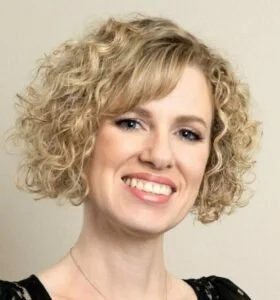
Harmony Frederick
Western Region
Read My Story
Harmony has been living with GNE Myopathy symptoms since 2003. She lives in California in the foothills near Yosemite National Park with her husband Tracy where they have a small ranch. She has two young adult children, Jacob and Shyanne. Harmony has her Master’s Degree in Computer Information Systems and works as a Project Management Director for a financial institution.
She has been actively involved with the GNE patient community since she founded the GNE Myopathy Facebook support group in 2011.
Imad Kazim
New England
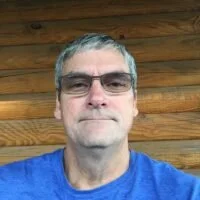
Al Stork
Midwest Region
Read My Story
Al’s Story
I was born in 1963 and live near Rochester, Minnesota, US. I have seven siblings; five of us have GNEM. One of my sisters was diagnosed first and shared the news at a family gathering. I knew immediately I likely had the same disease. At the time, I was an electrician and had been tripping frequently and wearing out my boots from shuffling my feet when I walked. Soon after, I started going through medical tests at Mayo Clinic (this was in 1996 & 97). Nonaka was the term used describing our type of MD. In 2011, each of us sent in blood samples for genetic testing to confirm our earlier diagnosis.
In 2012, I participated in the Natural History Study at the National Institute of Health (NIH). Shortly after, I was accepted in the NIH ManNac thirty-month trial from 2015 to 2017. In 2017 and in 2018, my wife, Lonna, and I attended the NDF conferences at UCLA California and joined the Facebook group for patients and caregivers. During this five-to-six year period is when I finally met people (other than my siblings) with ties to GNEM, including doctors, nurses, scientist and patients from around the world. For me , this was a great time in my life.
About a year after getting diagnosed I quit working with the electrical tools and climbing ladders and took an office job related to the same industry. But the new job required hundreds of miles of driving, but did last for 18 years.
I have been retired for five years. For short distances, I use AFOs and a cane. When walking in my home, I use a walker to prevent falls. I have an electric wheelchair for travel and longer distances. Spending time in a swimming pool is my go-to for muscle relaxation and freedom of movement.
I glad to be part to the NDF / GNEM group and hope I can help out in our search for a cure.
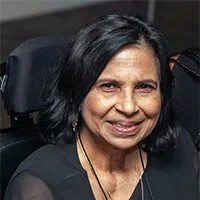
Tara Voogel
Patient Advocacy Program Manager
Western Region
Read My Story
My name is Tara and I was born in a rural village in a small country in South America. I am of East Indian origin and have six siblings. Five out of the seven of us have GNE Myopathy also known as Hereditary Inclusion Body Myopathy two siblings are unaffected. I feel very fortunate that all seven of us did not have to experience the “wrath and ravages” of this debilitating disease.
As a teenager growing up in my big family, I noticed my eldest sister started walking in an unusual way (a waddling kind of gait). At that time, we thought it was because she had just given birth to her first child. As time progressed, however, we noticed that she avoided coming to our home, which was about one mile from her home. She used to walk almost daily to visit us and bring me detective magazines to read. I always looked forward to her visits. Sadly to say, we thought that she had become “lazy” and did not want to walk the mile to visit us. Decades later we now understand why she avoided visiting us.
During the late sixties, significant political unrest developed in this country. Besides, no proper medical facilities existed to diagnose my sister, and thus she went undiagnosed. It was not until fifteen years later when my second sister acquired the same “waddling” gait pattern that she was able to get a diagnosis of Limb Girdle Muscular Dystrophy (LGMD). Since I was not living in the same country as they were, it was quite difficult to understand what really was going on with them, and how the progression of this disease was manifesting. Nevertheless, I decided to get myself examined by a neurologist but the tests for LGMD came back inconclusive.
As the years went by, this pattern of “waddling” gait continued for yet another sister, then my only brother, and eventually me. Some of my siblings started showing symptoms in their mid-twenties and some in their mid-thirties. My symptoms started in my late thirties, which caused me to stop working due to progressive muscle weakness. Since then I have devoted my time to adaptive exercises, and pursuing doctors, and researchers to get a definitive diagnosis.
One research hospital had my biopsy taken and sent samples of my muscle fibers to various research institutions and, as new tests became available, they would test a fiber from my muscle to see if it would be positive for one or another subtype of LGMD. Still, my muscle fiber failed many tests for LGMD. In 2009 another group of researchers from Children’s Hospital in Boston decided to include my family in one of their LGMD studies. About a year later I received a call from a doctor from the Children’s Hospital in Boston. She said “I have news for you.” There was a long sigh on my side with my thoughts travelling at lightning speed. What will she tell me? She said “your family does not have LGMD but a disease known as Nonaka Myopathy”. At that instance, I was thinking Nonaka sounds like a Japanese name; and Myopathy relates to muscle. She then explained to me what Nonaka Myopathy was, and that it is called by different names e.g. HIBM, Distal Myopathy with Rimmed Vacuoles (DMRV), and GNE Myopathy.
Finally, after forty years we have a disease with a name GNE Myopathy, and not some unknown subtype. I felt such an enormous relief, a kind of freedom it was as if I could fly as freely as a butterfly. For some reason, towards the end of my conversation with her I stated, “I am glad we have HIBM.” In many aspects I feel very fortunate. The most immediate benefit was that my family and I have finally gotten a definitive diagnosis. What ails us has been given a name and we can now attempt to learn all about this disease. The team member also referred me to some people, and related resources.
One of those people I contacted was Dr. Daniel Darvish. I called his office and he answered the phone, I told him that I just found out that I have HIBM. He was very patient and empathetic to me. He answered my questions and told me about the progress that has been made with GNE Myopathy research. I am unable to express in words how I felt talking to Dr. Darvish that day. After I finished talking to him, I felt very hopeful that a cure will most likely be available in my lifetime. I have connected with someone who not only is a doctor who has GNE Myopathy but, most importantly, understands what the challenges are to those who suffer from this disease..
Since that memorable day in June 2010, I have met many individuals with GNE Myopathy and researchers who are studying our disease. I have participated in a some clinical trials. I continue to look for possibilities, the possibility that we can have a cure, whether it would be from stem cells, a substrate, or from gene therapy.I think an effective therapy would not only stop the progression of GNE Myopathy but restore or regenerate the affected muscles. This seems like a daunting and almost impossible task nevertheless, it is comforting to know there are dedicated efforts by various entities to bring a cure to patients.
My parents have lived through our declining function, our sorrows, tears, thwarted aspirations, and our disappointment in us not being able to help them in their old age. My father who recently passed was a priest and had high hopes that his only son would continue in his footsteps and carry on the family name as is customary in our culture. Well, that may not happen, or could it? They have always kept a positive outlook, and have continued to help us and they do so with grace, love, and enduring empathy. My current focus is to stop the progression of my ever-failing muscles, and to help in ways that I can to facilitate a cure not only for me and others with the disease now, but for all future generations.
Learn more about Tara and GNE Myopathy on her blog, here.
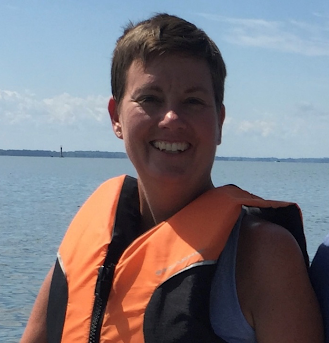
Stephanie Wood
Patient Advocacy Program Manager
Eastern Region
Read My Story
Hello, my name is Stephanie Wood. I was an administrative assistant for 27 years and have recently retired. I started my career at a camp for children with special needs. I am married to my best friend, Scott, and we love spending as much time outdoors as we can. I love to read, swim, spend time with family/friends and design my own greeting cards. When I was age 30, I was diagnosed with GNE along with my 3 siblings. I am now 49 and still trying to live a full life. I have decided since retiring to begin a new path in advocacy work for GNE patients as well as helping others through social media to find products that help with navigating a disability. I am the newest member of the NDF Patient Advocate team and hope I can contribute to the ongoing effort to CURE GNE.
Africa
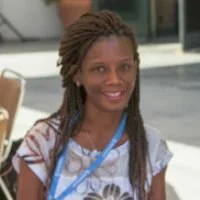
Rose Okoma
Ivory Coast
Read My Story
I am Okoma Marie Rose, I am Ivorian, I am 33 years old and I have GNE myopathy. My story begins with that of my sisters. At the age of 28, my eldest sister started to have problems walking. She was working so she started doing all the exams that were possible to do, without ever knowing what she was suffering from. Then my second sister also started to have the same problems.
I started to feel a change in my walking when I was 25 years old, but I didn’t pay attention to it because I thought it was due to the frenetic life I lived. I worked as secretary-accountant, and also operated a bar. So, after work I went to my bar and stayed there until 2am – 3am in the morning. I slept very little. That was when my friends, brothers, and sisters started to notice that I was walking slower, I was walking on my “tippy-toes” as if I was wearing high heels. I couldn’t stay my “tippy-toes” for hours as it was very tiring.
In 2011, during the post-election crisis in my country, I decided to go in India to do a master’s degree in finances. It was there that I started to fall. I still remember my first fall … the second one alarmed me to the point of making me decide to go see a neurologist, I was 27 years old then. I first visited FORTIS Hospital in Bangalore. The neurologist examined me and told me that, according to my symptoms, he believed that I was suffering from CMT (Charcot Marie Tooth) and that I should to do magnetic resonance, electro-myogram and DNA examination so that he could give me an exact diagnosis. I was devastated, I saw my life flashed by. I was thinking about how will my life go, my future plans, etc.? I started with the resonance and electro-myogram. I had already finished my masters degree and I met a wonderful man who later became my husband. He suggested that I come to Italy to do the DNA testing and be followed there since he too had finished his mission in India.
In 2013, after visiting in our city’s hospital, I was taken to Verona’s Borgo Roma Hospital in Italy. I was supported and followed by Professor Gianmaria Fabrizi. I underwent all the necessary tests, and the DNA test didn’t confirm CMT. I was still at a standstill because I didn’t know what I was suffering from. My feelings were contrasted; hope that it wasn’t the CMT, but a curable disease, I worry because I thought the worst, that is to say, an unknown disease and therefore undetectable.
At the end of 2016/beginning 2017, after doing a muscle biopsy, my neurologist finally informed me that I had GNE Myopathy. I was relieved because he had informed me that Ultragenyx was in the experimental phase of a pharmaceutical drug. My joy was short-lived however, because in the summer of 2017 Ultragenyx discontinued their drug trial. Now, because I know what I suffer from gives me hope that I had lost during the many years of uncertainty.
Today I live a little more serenely. My family (my brothers and sisters) don’t worry about me and don’t complain about the disease because they know that I hate moping and I have a strong morale to face of all kinds of difficulties. I use the Dictus, a walker and often a wheelchair. I live almost alone because my husband works frequently outside Italy. Most of the time my mother-in-law comes to give me a hand, but I still prefer to fight and use the little autonomy that I manage to have, so I can maintain a fairly independent life. And, since I started hydrotherapy I get help from my sister. I try somehow to keep some autonomy even though if my sister helps me a lot. I try to organize myself at home, outside as well, and at the professional level. I work part time at an insurance company, but I have another job offer that allows me, not only to work at home so that I can manage my time, but also to be able to do physiotherapy and the projects that I am working on to organize patients of genetic diseases in Africa.
With the example of my sisters, I think I have had an incredible chance of having been diagnosed and of being able to have a more normal life socially and professionally. This is why I would like my country and all of Africa, like the rest of the world, to regroup patients, take charge of them, and provide support for them and their families.
Asia
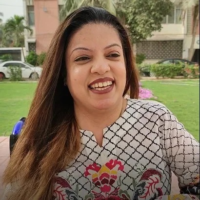
Sabeen Faisal
Pakistan
Read My Story
Sabeen Faisal, Karachi, Pakistan
I am Sabeen Faisal, in my 40s and currently based in Karachi, Pakistan. Love the rain, and definitely addicted to petrichor. It was during the time of my Bachelor’s degree program when I started having frequent falls. I thought it was because of my blind eye or ignorance of small pebbles on the road which triggered my falls. Later on, in the year 1999, I received a diagnosis of a rare genetic disorder, now known as GNE Myopathy. I was 22 years old then. When I found out that I have this progressive disabling disease, I felt as though, I was thrown into walking such a path that I have never walked before. Nevertheless, I persisted with my studies and in the year 2000, and completed my Master’s degree in Business Administration, specializing in marketing
Life Before GNEM:
Besides writing in several genres for multiple platforms, I love cooking, baking, dancing, singing, travelling, spending time with friends and family; whilst remaining up to date with the latest technology and trends. Before the diagnosis, I was very independent. After finishing grade 12 in Dubai, I had to move to Pakistan for my higher studies leaving behind my own family and living with my uncle and aunt in Karachi. Life became a little difficult without my parents around, though my uncle and aunt were taking amazing care. In addition, coming from Dubai to Pakistan brought a different set of challenges. With that said, my greatest asset from those times was my family and friends that I still treasure. Living in a country with very limited scientific proof or data available on rare diseases could have made my diagnosis difficult. However, I was lucky enough to have come across some of the most brilliant doctors in Karachi, Pakistan; who guided me through the proper diagnosis. In 1999 they guided me to go to Texas, USA for further investigation and provided my preserved muscle biopsy to help with their ongoing research at Southwestern University Hospital, Texas. There was no gene testing at that time. My visit to Texas proved an affirmation that I have a form of Muscular Dystrophy known as Nonaka, a name given in the early years for GNE Myopathy.
Life After the Diagnosis:
The day I was informed of my rare genetic disorder, the future seemed quite foggy but one thing was very clear, and that was a voice coming from within that my life would not be the same. Besides having friends like family to cherish I also found someone with whom I started my life with and we were blessed with a son. Bringing up a child was another challenge in and of itself, and I overcame all the barriers, making sure that our child receives perfect nurturing. However, the worst part was that people were more sympathetic than empathetic to me. I wanted a normal life always, irrespective of my disability. My resilient and headstrong character enabled me to stay focused and kept me moving on in life, despite the progression of my disease. With the ongoing progression, the hardships of living in a non-inclusive society; some were accepting while others changed their colors of behavior towards me. All this came as a surprise to me during the toughest of times of my life. I also had several falls due to my weakness, whereas one thing that held me strong was my self-confidence and the love of my parents as well as siblings.
Giving birth to my son was and still is, the best thing that ever happened in my life. He turned out to be my biggest support system and the reason for me to stay strong as he was growing up. Today, I am totally incapable of moving any limb and unable to lift even something as light as a petal but I try to stay composed. I keep moving on in life without looking back. With all that I did not put my career at bay, I worked in various fields from teaching, transcript writing, review writing, autobiography, content writing, digital marketing, blog writing, to digital content writing, and promoting various businesses. On the path that I walked, in a non-literal sense, reaching where I am today was rough but not impossible. I am still filled with the highest levels of hope because NDF, several scientists, and organizations are on the quest for a cure with the hope that they will reach a breakthrough in bringing a cure for GNE Myopathy.
My Dream:
I represent NDF as a Certified Patient Advocate for Pakistan and aspire to bring maximum awareness for this rare disorder, simultaneously bringing about the change to have an inclusive society. The past year has been very challenging for the whole world, and moreover for us as muscle disease patients, experiencing more weakness due to reduced mobility during the lockdown. I highly recommend patients across the globe preserve their muscles and keep doing what they already are. As Dory says in Finding Nemo, “keep swimming, just keep swimming”. My ultimate dream is to have the cure for GNE Myopathy as soon as possible. However, my dreams are not limited to the cure, I wish to see more empathy, compassion, honesty, and integrity as we relate to one another.
How to contact Sabeen:
Sabeen participates in the GNEM Pakistan WhatsApp group
You can e-mail Sabeen by using the “e-mail” option on the CPA main page
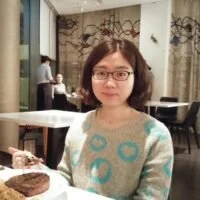
Kyeong Hwa Ryu
South Korea
Read My Story
I am Kyeong Hwa Ryu from South Korea, and I am thirty-six years old. I was diagnosed with GNE Myopathy at the age of thirty-three. Three years ago, after the birth of my son I experienced back pain. An MRI was done which showed abnormalities.
Before giving birth to my son, I had no symptoms of GNE Myopathy. After giving birth, my fingers and ankles became weaker, and I continue to suffer from back pain.
After my diagnosis I started to swim every day to maintain my muscle strength. I feel much better after swimming. I see my doctors on a regular basis and I hope that someday a new treatment will come.
My body is slowly becoming weaker however I can still walk, drive, and work. I am working at a tertiary hospital as a doctor specializing in neuroradiology. I love my job and I want to keep doing it. I do not want to think about how this disease will change myself in the future. For today, I am happy with my lovely family, and I hope that new treatments will come soon.
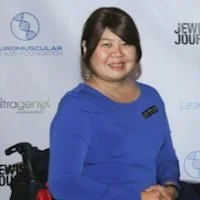
Kelly Ma
Taiwan/China
Read My Story
I am Kelly Ma as known as MA KAI-NI in the Mandarin Chinese language. I am 45 years old and was born in the southern city Kaohsiung, Taiwan. About 12 years ago I was diagnosed with HIBM, a rare disease. Ever since, my muscles have been getting weaker and weaker and in my daily life it gets harder and harder to perform simple tasks. I share HIBM with two of my older sisters, one 49 years old and the other 53 years old.
Nowadays, I have to use an electric wheelchair for most of my daily activities. I am a single mother and I find it very difficult to raise two children who are now eight and eighteen years old. It was especially challenging for me when I gave birth to my youngest son, Mark, because I was in a weakened stated due to HIBM. However, I still had to take care of my baby all by myself. Now, Mark has grown to be a healthy and very active child and is attending elementary school.
In recent years, I have been traveling around Taiwan to increase the awareness of HIBM. I travel to schools and prisons and share the daily challenges I face and my personal story to students and inmates. In addition to these activities, I was very fortunate to be able to open a small lunch-bar last summer. This year, I along with two other partners, opened another restaurant called Red House which specializes in Chinese cuisine. One of my partners is my eldest sister, Joy Ma, who also suffers from HIBM. Joy is at an advanced stage in the disease and is helped by a caregiver 24 hours a day. My other partner is my friend Mr. Chu Gu-Li whose nick name is Eclipse. Eclipse has suffered from Polio since childhood, and all of his limbs are seriously distorted. Nevertheless, Eclipse is a successful businessman in spite of his physical disabilities.
Joy, Eclipse, and I have a big dream “We would like to make the Red House Restaurant a friendly and supportive center for disadvantaged people to gather and eat delicious Chinese dishes. Our restaurant business is just in the beginning stages, and hopefully it will flourish in the near future.
As a saying goes, “When God closes a door, He will open another window for you.” In May 2017, I remarried a wonderful man. My husband has been very supportive of me in my day to day life and my business ventures. With all patients of HIBM from every corner of the world, we hope that an effective treatment for our disease will be available soon and hope we will all have a better life.
Osamu Sasaki
Japan
Read My Story
Osamu Sasaki
Ashutosh Verma
India
Australia
Jessica Teasdale
Sydney, Australia
Read My Story
I’m Jessica from Melbourne, Australia, and I’ve been living with GNE Myopathy for over a decade since my diagnosis at the age of 24. This disease has been an excruciating roller coaster, reshaping my life in ways I never could have imagined.
After losing my ability to walk long distances and later my ability to drive following the birth of my first child, I was confronted with the full force of this disease—not just physically, but mentally. The loss of independence was overwhelming, and the weight of anxiety and depression felt unbearable. But I refused to let GNE define me.
Determined to show my daughter that I could not only survive but thrive, I shifted my focus to what was within my control. I fought to reclaim my mental strength, faced my fears head-on, and made the empowering decision to welcome my second child in 2022—choosing faith over fear.
This journey has given me resilience beyond measure. It has fueled my passion for advocacy, driving me to work toward greater accessibility and rights for people with disabilities. Today, as a certified patient advocate for GNE, I am deeply committed to raising awareness and supporting those affected by this life-changing disease.
Though GNE has tested me in ways I never expected, it has also revealed the true power of inner strength. I am grateful for the lessons it has taught me, and I am proud to show my daughters that no matter the obstacles, anything is possible.
Europe
Valenee Gosine
United Kingdom – Southern Region
Read My Story
Hi! My name is Valenee, I am 36 years old and I am a Primary School Teacher. I am British and live in London, UK. My parents are Indo-Caribbean from Trinidad and Tobago.
I love cooking, traveling, meeting new people and socializing with my family and friends.
I was diagnosed with HIBM (GNE Myopathy) in 2010.
Prior to my diagnosis and up until my mid 20’s, I was a very active flexible person; I especially enjoyed dancing (still do) played sports, long walks and playing the piano – back then, it was all very easy and effortless.
Leading up to my diagnosis I was experiencing weakness in my ankles, often tripping over, having to lift my legs in and out of cars, not being able to run and having difficulty walking up stairs.
It took a while to get the ball rolling to identify the unexplainable weakness that was happening in my body without having any pain, signs and symptoms of other medical conditions.
The results of my diagnosis came after I had a genetic blood test and an excruciating muscle biopsy taken from my thigh muscle (it looked like pieces of chicken on a petri dish, I’m surprised I didn’t faint), which was sent to Germany for testing and an MRI scan. Testing for GNEM has changed to a simple blood test now, thank goodness!
My consultant told me I had a rare muscle wasting condition called ‘HIBM’ and at the time, there was no cure or medication for my newly diagnosed condition. The day I received my results I was looking forward to finally getting to the bottom of this unexplainable weakness I had been experiencing. My first question to my consultant was “How long do I have until I’m in a wheelchair?” Her response was that she couldn’t tell me that information as it’s taken 26 years for me to have got to this stage of the condition and then went on to explain the genetic nature of this condition in more depth. She specifically advised me that research on my newly diagnosed condition wasn’t all reliable as it was still in its infancy stage and there hadn’t been enough research, so it could be upsetting to read. Me being me, curious and inquisitive, when someone tells me not to look, I’m going to look. So, I went home and Googled ‘HIBM’.
What I researched was distressing, however I thought to myself if I was born with this condition, then this is meant to be my path in life. I have always been a strong believer that no matter how hard, sad, disappointing, scary or traumatic life can be, there is always someone, unfortunately suffering in a worse situation.
I am so blessed to have such supportive family and friends around me. I live on my own and I still maintain my independence in many ways. I wear orthopedic foot supports to aid my walking and I do rely on the support of another person to link my arm for outdoor social activities. I have weakness in my hands, so I am unable to play the piano like I did before, and my grip is very weak. I do need to remember not to use my teeth to open things or I’ll end up with false teeth! ! My car is adapted so I can drive confidently and safely, which I love to do and within reason, blast my music.
This condition is so frustrating as my mind works faster than my body, however along the way of my journey, I have learned the value of patience and resilience. I shall continue to give my all, challenge my limits and make the best out of a bad situation. It’s important to remember what we have rather than what we don’t have.
I have very supportive employers who understand my needs and has made me feel safe and comfortable in my working environment.
In 2018, it was an amazingly unforgettable experience to meet others with the same condition as me at a GNEM Symposium in Manchester, UK. It bought me great joy to have the opportunity to discuss and be able to identify with other people who has the same condition as me. Everyone I met had their own unique story; – they were wonderful and we have stayed in touch since like a life-line to each other.
I am excited to meet more people with GNEM and make lifelong friends where we can share our journeys, exchange ideas, learn from one another and raise awareness.
Every day is extremely challenging for me in so many ways I never imagined for myself at this stage of my life. apart from being able to tolerate a high level of spice in my food. I don’t think anything can stop me from eating spicy food. Nevertheless, I have found more creative ways of adapting, e.g. befriending bouncers who have kindly offered to carry me upstairs in venues that aren’t accessible. I persevere and find a way to get myself where I need to be.
As a fellow GNEM-er once told me, ‘We still have full use of our mouth and brain”, which has proven more useful than the use of limbs in certain scenarios!
It’s important to remember that we can live a “normal” life like everyone else.
I have come to realize that some people’s disability is their mindset.. Where there is a will, there is a way.
Thank you for taking the time to read my story.
Saskia Melches
Germany
Read My Story
From Walk My Life to Drive My Life
My name is Saskia. I am 36 years old and I’m from Germany. Until I was about seventeen and a half years old, I lived a normal life without knowing what else was going to happen to me. My family noticed that I somehow walked differently. A few weeks later, I also realized it. For the next three years many doctors searched for a cause and, while some did not find anything wrong with me, a few misdiagnosed me. My walking was getting worse and very exhausting for me. Often I was asked if I had something wrong with my knees, which I found very unpleasant because I did not know myself what was going on.
One day I stood in front of the stairs with my shopping bags in both hands and could not walk up. At that moment I was completely desperate. Suddenly, I realized that in order to get up the staircase, I would need to pull myself up using my arms. I have encountered many such situations ever since. At that time I felt very alone with my complaints and problems.
At the end of 2002 I tried to get help again from an orthopedist. This was a successful meeting as I heard the words “muscle disease” for the first time. After several visits to the doctor and hospitalizations, I was transferred to a muscle center. At this time, I had a muscle biopsy and a genetic examination. I was diagnosed with Hereditary Inclusion Body Myopathy (HIBM, now known as GNE Myopathy (GNEM)). I was diagnosed only three years after my symptoms started. I later learned that was quite a fast time to receive a diagnosis for a rare disease.
I felt alone with GNEM and wondered why it had to hit me and how my life should go on. My mum helped me to find something positive. At some point, I also noticed weakness in my hands and fingers. I could barely open bottles. Then came my first rehabilitation session. Here I realized that I am not alone! There are so many muscle diseases with similar complaints and problems with everyday life. Finally, I was able to exchange ideas, feel understood and find some relief for my difficulties in my day-to-day life. I got a manual wheelchair and many more aids over the years. With this help I could win back a lot of quality of my life. As my disease progressed, I noticed that I needed more help during the day and night. That is why I have been receiving assistance from caregivers since mind 2014 twenty-four hours per day. Someone has to be present to help me with everything.
“Whoever does not fight has already lost” has become my motto. I do not fight against GNEM, but for a happy life with a lot of fun. Life has taught me so much. GNEM has made me the person I am today. I have met a lot of great people, had experiences, and found new hobbies that I do not want to miss. Who knows if I would have become such a positive person without GNEM? I can appreciate the little, beautiful things that happen every day.
I hold honorary posts in various clubs in which I am committed to making sure that people with disabilities get the mobility support and personal assistance they need. Because of my unique experience, I can help many friends and acquaintances. I am also committed to working with and helping delinquent young people, as I think they are the generation of tomorrow.
Recently I created my own YouTube channel to promote GNEM and encourage and educate people about the disease. Here you also get to see what you can do with a wheelchair and the limitations that come with it, such as traveling through the jungle!
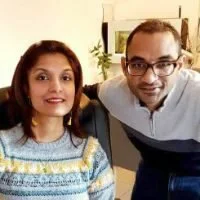
Vaneesha Mohadawo & Abajee Dharmajee
France
Read My Story
I am Vaneesha from France and I am thirty five years old. Fourteen years ago I was diagnosed with GNE Myopathy at the age of 23. My parents and my husband are from Mauritius a small island on the Indian ocean. As far as we know there was no one in my family with GNE Myopathy. I have a younger sister who is asymptomatic.
During the time I was dating my husband Dharmajee I did not have any symptoms of GNE Myopathy. Soon after we got married I started experiencing early onset of GNE Myopathy symptoms. My life and that of my husband have changed after receiving this diagnosis. I was constantly scared of falling so I started using a cane and a rollator. Subsequently, we moved into an adapted home to better meet my needs.
Prior to having symptoms I used to dance, exercise and swim. I also enjoyed shopping, travelling, and cooking. Now, however I have adapted to my current ability to where I enlist the help of a caregiver to help me get into the swimming pool, spa or on a vertical table.
Although, I strive to be as independent as I can there are some things I need help with. And, when I do my husband is always available to support me such as putting on my jacket or shoes. He also helps me with household chores.
Despite having this rare disease, I continue to work as a consultation nurse with cardiac patients. My regular routine starts at 8 am and ends at 5.30 p.m. in the evening. I have a caregiver who helps me with some tasks in the morning and evening. I have a wheelchair accessible car and I can still drive using a hand control system.
Living with this disease changed me physically and mentally even though I know my future is uncertain. I don’t know if I would be able to move my legs, feet and hands because of the progressive nature of GNE Myopathy. Now, I feel more determined in my life to appreciate the simple moments with my family , I am more tolerant and positive in my day to day life. I realize that there are others in more unfortunate circumstances than me where I am able to see and breathe, some are unable to experience these on their own. I remain hopeful and have a positive outlook that a treatment will become available.
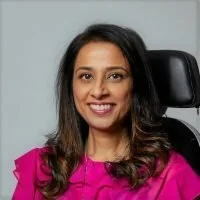
Mona Patel
Patient Advocacy Program Manager
United Kingdom – Northern Region
Read My Story
Hello!
I’m Mona and live in the north of England. I am British. My parents were born in India.
In 1996, I graduated from Birmingham City University with an honour’s degree in Sociology & Developmental Psychology. After graduating, I worked for the British Broadcasting Corporation (BBC), then the National Health Service (NHS), and since 2000, I have been working for Manchester Metropolitan University as an Equality & Diversity Specialist. I am also a devoted mother, wife, daughter and friend.
In 2002, aged 29 years I was diagnosed with GNE Myopathy (GNEM).
My Life Before my DiagnosisUp until my early 20s, I was very active and independent. I loved going out, cooking, swimming, dancing and Yoga-Pilates. Just like any young person, I had many hopes and aspirations for my future.
Before my disease progressed, I accomplished many wonderful things; my greatest achievement was in 2002, when I gave birth to my beautiful daughter, Lea (now an NDF United Youth Ambassador¹). Sadly, GNEM managed to even taint this euphoric period of my life because I had just received my diagnosis. I was constantly fatigued, feeling bewildered and anxious due to the uncertainty of my diagnosis. Back then, accessible information about GNEM wasn’t available.
My Life After DiagnosisSince the onset of the disease, GNEM has slowly deprived me of my muscle strength. I am at a stage now where a lot of my mobility is limited. I can hardly walk, I can’t run or climb stairs and there’s a continual feeling of vulnerability in case I fall. I can’t do the things most people take for granted such as cooking a meal, popping out to the shops, getting dressed, reaching up to scratch the top of my head, sometimes I can’t even use the toilet independently. As soon as I start adjusting, I lose another function, so I have to find another way to adapt – the challenges are endless. It pollutes every part of my life including that of my loved ones.
I am grateful to have brilliant caregivers in my life who continue to enable me and ensure that I have a decent quality of life.
Fortunately, the UK Government has robust disability equality laws to make sure disabled people have reasonable adjustments and it also has an amazing ‘Access to Work’ scheme ensuring disabled employees can work and be retained in suitable employment.
My Life NowLife now is very different for me because I have learned to embrace my disability. I have found a new sense of purpose and use my limited energy to make a difference. I consider myself an Agent for Change.
There is a proverbial saying in the UK that “Every cloud has a silver lining”, which is used to convey the notion that no matter how bad a situation might seem, there is always a good aspect to it. GNEM has brought kind, resourceful and inspiring people into my life for which I am enormously thankful. In fact, I’d go as far to say that the disease acts like a ‘filter’; making me more discerning by only allowing true friends and family pass through and become part of my circle.
Inadvertently, GNEM has provided some unique opportunities too, such as being able to travel the world and leave a legacy by being able to contribute to a life-changing treatment through studies and trials.
Every day, this disease teaches me about resilience and empathy – it’s helped me to confront barriers and stigma in order to improve the lives of others. So, although I miss the ‘old’ me, I am happy with the ‘new’ me because, (without sounding boastful!), I am now an award-winning Equality & Diversity Specialist working for an award-winning university, I’m a Fund Raiser and of course, I’m proud to be a NDF Certified Patient Advocate who organised the first ever patient day in the UK. I’ve also set up the first GNEM Page and UK Support Group on Facebook and helped Muscular Dystrophy UK establish a dedicated GNE myopathy webpage for our GNEM community in the UK.
I am committed to using my limited energy to help the GNEM community and our partners in any way I can.
Patients being PatientI totally understand that our GNEM community are frustrated with the long wait for a treatment to be approved. I am very grateful to the NDF and biopharma companies who are investing into research providing light at the end of the long, dark tunnel. I hope that before long, a treatment will be made available and possibly, even a cure. I don’t want anyone ever to suffer the negative experiences that are brought about by living with GNEM. I appreciate, that any treatment or cure, must be first and foremost, safe for us.
Patient PowerIt’s inspiring to see the GNEM patient community taking control, collectively driving forward important changes and organising initiatives to help eliminate the isolation, remove hurdles, and provide vital support to each other including caregivers. More importantly, it motivates and empowers us to keep pushing ourselves to never give up hope.
Thank you for taking the time to read my story.
(Please note that my experiences are my own and are not representative of all GNEM patients).
How to contact Mona:
Mona is a part of the GNE Myopathy UK and GNEM UK Support Group on Facebook
You can e-mail Mona by using the “e-mail” option on the CPA main page
1. NDF’s United Youth is a safe space for the children of GNE Myopathy Patients. It is an online community where children, starting around the age of ten, and teenagers can share their experiences and offer advice to one another.
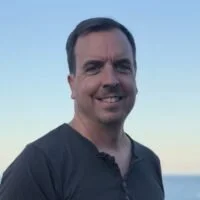
Leif Roth
Switzerland
Read My Story
My name is Leif, I was born in November 1976, and I was diagnosed with GNE Myopathy in 2015.
I was married once, and we had no children. For the past nine years, I have been in a relationship with my great-girlfriend, we have no children but together we have five godchildren. We live in Switzerland.
Actually, I had a pretty normal childhood. What was special about me was after my birth I was placed with a foster family and then with a second foster family. This family adopted me a few years later. Therefore, it is not possible for me to deduce my illness from my birth parents or ancestors.
I have always had thin legs, but this did not prevent me from playing tennis and table tennis competitively in my youth. That is why I did not notice that something was wrong. Nevertheless, I was not the most limber person. 😊
About 16 years ago, I slipped a few times in winter and I couldn’t explain why. Then a colleague at work talked to me about the way I walked and told me to have it checked out.
My doctor asked me to stand on my heels, which already was not possible for me. After that, some examinations followed but I still had no diagnosis.
I stopped thinking about my condition for a while. A little later, however, I started searching the internet for possible causes. During this time, I came across a condition known as GNE myopathy and that a possible drug that was in its phase 1 stage was being tested in Newcastle, England. Since I had no diagnosis, I could not participate in this study.
As my steppage gait got worse and worse I had carbon orthoses made by an orthopedist, then had another pair made after about two or three years.
In 2015 I wanted to know exactly what was going on with my body and went to a specialist in Zurich. After a muscle biopsy, the doctor didn’t believe that I had Nonaka or GNEM and wanted to send my blood to Finland instead, because there is a Professor by the name of Udd who discovered a disease with similar symptoms.
Around the same time, Newcastle contacted me and asked if I now had a diagnosis. They still needed patients for phase 3 of their study. Because I still did not have a diagnosis, I was allowed to send samples of my blood to the lab in England, and ‘lo and behold’, four weeks later I received a GNEM diagnosis, and another three weeks later I was in Newcastle for the first time to participate in the study.
I went to Newcastle every eight weeks from 2016 to 2017 for the study. My orthopedist made me a new pair of ‘foot lift’ orthotics out of silicone. After that, I went to physical therapy to help remobilize my feet which were quite stiff caused of the old orthoses made of carbon. With the new orthoses made of silicone, I could feel small movements under my sole again. Because I was used to wearing carbon orthoses when I switched to silicone ones my stability suffered. Silicone orthoses offer better mobility but less support. Although I felt less steady with my new orthoses, I gained better mobility with lots of practice. I tried to recoup my strength by increased hiking, biking, and snowshoeing. My girlfriend is quite supportive and encourages me a lot to be involved in these physical activities.
Today I still wear silicone orthoses. When I have to stand in one place for a long time, for example, at an exhibition, or having an aperitif or the like, I need to always have a cane with me. I am no longer able to stand still (in one place) without constantly being challenged with my balance. Previously, and for a long time, when I hiked, I used walking sticks now unfortunately, I can no longer walk the same strenuous trails as I did a few years ago. Currently, I still hike for three to four hours at a time, and I choose easier routes.
I somehow knew early on, before the first symptoms, that my brain is my capital and not my body, which is why I work professionally in an office and will always continue to further my education. I am an absolute numbers person, and I am convinced that I will be able to contribute valuable things in this area for a long time to come, even if I will no longer be able independently to control my body.
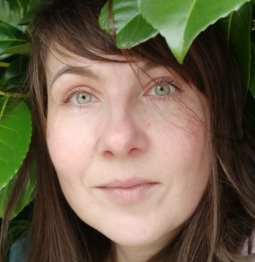
Yulia
Russia
Read My Story
My name is Yulia.
I really hope that there will be a medicine that will help us save muscle.
Меня зовут Юлия.
Очень надеюсь на то, что появится лекарство, которое поможет сохранять нам мышцы.
Middle East
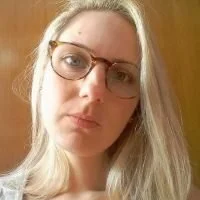
Roberta Cirisyan
Turkey & Greece
Read My Story
My name is Roberta Cirisyan. I live in Istanbul, Turkey. I’m 37 years old. I come from a family which includes different cultures. My father is Armenian, my mother and grandmother are Greek and my grandfather is Italian.
My GNEM symptoms came out very quickly. Until I was 25, everything was normal; I could do everything until November 2007. Actually, there were some signals in 2006 which we realized later. The symptoms were: difficulty in climbing stairs, falling down constantly, while I was walking I felt like someone was pulling me from my back.
One day, I came home late and was climbing the apartment stairs like creeping. My dad saw this and thought I had something wrong with my bones (like hip dislocation). I had an x-ray, nothing was wrong. Then they told me I could have MS (Multiple Sclerosis). I saw the MS doctor and she sent me to a neurologist at the “University of Istanbul Çapa, Department of Neuromuscular Diseases”. Then she wanted some tests EMG, biopsy. The diagnosis of the biopsy report was: Myopathy with Rimmed Vacuoles.
In 2010 I went to France/Marseille to “Timone Adult Hospital” for genetic testing and the results confirmed that I had Nonaka Myopathy, which we learned 5 years later is the same as GNE Myopathy.
As all doctors I’ve seen told me that “there is no treatment for this disease”, “this disease doesn’t affect you much, you have to learn to live with this.” And such words which they threw into a 24-year-old girl’s face, I started to search “cure” by myself. On those days which I was left alone, without any suggestions, I thought that I had to exercise at a gym center and I did pilates/yoga/swimming at least 3 days a week.
2 years later, I got bored and looked for something different. I found a physiotherapy and rehabilitation center in Istanbul. On the first day of consultation, the doctors told me that that place was appropriate for muscle diseases, but later on, I realized that it was mostly for paralyzed, injured, and traumatized people. I went for a consultation and they gave me a program for 30 sessions. I went there 4 days a week. I had 2 times a week of physiotherapy, 1-day of hydrotherapy, and 1 day they put me on a machine that made me walk itself. After 30 sessions, I was not satisfied with my situation. As I said, the place is especially for paralyzed people, this treatment didn’t work well with me. They made my muscles get weaker, by overtraining my muscles and by the hot water in the hydrotherapy session. I quit that treatment and looked for other things to make me feel and move better.
From November 2011 – March 2013, I practiced with a trainer at home. Because I started to feel tired, I didn’t have enough energy to go to the gym center after work, then walk back home. I was still looking for new treatment ideas from the internet when one day I saw the clinical trials website.
In 2013, I participated in a clinical trial at the National Institutes of Health Hospital in Washington DC Phase I Clinical Trial of ManNAc in Patients with GNE Myopathy and
A Natural History Study of Patients with GNE Myopathy. There, I learned that we shouldn’t do hard exercises as I have done for 6 years. All were wrong and caused me to lose my muscles and made quicker the progression.
For 2 years I did nothing, I needed a break, except trying to live a normal life like going to work and going out with friends. I was able to walk with a cane, falling a lot, climbing stairs was like torture, but still, I managed to do those things without any help.
In November 2015, some relatives from Greece introduced me to an orthopedist surgeon Dr. Stavros Alevrogiannis, who was applying a new treatment stem cell therapy. We had some consultations, then I decided to try this therapy. The first session was a real boost to my body. I was able to walk with the walker outside after 6 months. But it was not permanent, I had to redo the therapy. I did 2 more times. The other 2 sessions were not as successful as the first one. It’s a painful and expensive treatment that I ended doing therapy on and on. I’ve started to exercise only with my physiotherapist since then.
My main aim now is to explain to people who are diagnosed with muscle diseases what they can do without wasting their muscles and forwarding them to the right places because I want all of us to live normal lives. I have done many incorrect things because I was left alone by my doctor; I was misdirected. As this disease has taken my abilities day by day I need to be useful, this is an important way that I may be helpful to people.
How to contact Roberta:
Roberta is a part of the GNEM Greece Support Group on Facebook
You can e-mail Roberta by using the “e-mail” option on the CPA main page
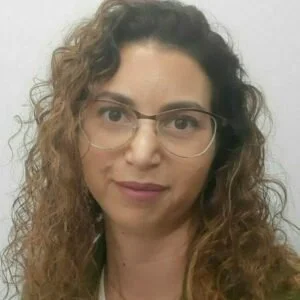
Maya Davidovich Cohen
Patient Advocacy Program Manager
Israel
Read My Story
My name is Maya, I live in Jerusalem, Israel. I was diagnosed with GNEM or as previously known as HIBM at the age of 31.
I am blessed to have a supporting family, my husband, and two children. I finished my Ph.D. in Human Genetics in 2012 and, since then I have been working at the Israeli Ministry of Health.
I dislike the words: “disease” or “illness”, I always represent myself as someone who is handling a unique situation in my everyday life while I live with GNEM. This situation made me who I am, it is shaping me into a courageous person, and motivates me to fight harder in life. I believe in sharing, learning, and enhancing communication between GNEM patients. I am doing my best every day to make this happen.
How to contact Maya:
Maya is a part of the GNEM Israel Support Group on Facebook
You can e-mail Maya by using the “e-mail” option on the CPA main page
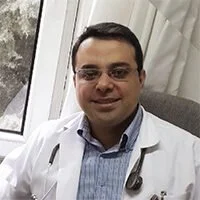
Suleyman Kus
Turkey
Read My Story
Dr. Suleyman Kus
My StoryI was born in 1977 in the city of Antakya, Turkey and was raised as the only boy in a family of 5 children. Currently, I am working as a family doctor at a public health center in Antakya. I do not think that I am a good writer however, I feel like my story, as a doctor would be helpful to others, because it took twelve years of experiencing symptoms of GNE Myopathy before I was able to get a confirmed diagnosis. One would think as a doctor, I would have been able to get a diagnosis sooner. I think I can describe my GNE Myopathy life in three parts.
Pre 2005, Physical Independence and Relatively in Good HealthI was never interested in participating in sports since my childhood. There was no issues in my appearance which would have indicated any physical problems. Now, I understand as I reflect back to those days, why my muscle strength was relatively weaker than my friends, I must have been experiencing some early symptoms of GNE Myopathy. I realized that I always stood back in situations which required too much physical strength. For instance, I chose positions which required less strength such as a goalkeeper or a defender when I was playing soccer. I could not jump as high as others when playing basketball. In running, I was usually the last one to reach the finish line and I could not climb the higher branches of a tree which my friends were able to climb. As I mentioned, since I did not have any visible problems in my physical appearance, I thought that the main reason for all these issues was either, I was not the athletic type or I was less skillful than others in physical activities.
2005 to 2017 A Period of The UnknownMy first symptoms of the disease started to show up in a period when I was extremely busy as an assistant doctor and this is when I noticed my movements started to slow down. I was becoming tired very quickly while climbing up the stairs in the hospital. These were the same steps I used to climb up before without any difficulty. During this same period, I also noticed the way I was walking had changed and when I needed to run I found it was much harder. In addition, I was unable to float when I went to swim since I was not able to move my legs fast enough. To make my situation worrisome, I started to fall down at times while walking. After experiencing these symptoms I decided to see a neurologist friend of mine who was working at the same hospital. As a result of my physical examination and bloodwork, I was given an electromyogram (EMG) test because my Creatinine Kinase(CK) level was high. Based on these tests, my initial diagnosis was Peripheral Neuropathy.
My doctor ordered some more detailed rheumotologic and metabolic tests because he wanted to understand more about my initial diagnosis of Peripheral Neuropathy. Even after all these tests and procedures I was not able to get a definitive diagnosis. Because GNE Myopathy is a slowly progressive disease, there was no significant changes in my physical ability. Most GNE Myopathy patients would clearly understand what I mean. On an average of every six months I was having difficulties doing some actions which I was comfortable doing before. Now, I understand that this was due to the weakening of my muscles. I started to think that my Peripheral Neuropathy diagnosis was not correct and I suspected that I have a different disease. I consulted some well-known Turkish professors who are neurologists in Izmir and Ankara. I was tested for the main common forms of muscle diseases and all the results came back as negative . After all these tests, my second possible diagnosis was Spinal Muscular Atrophy (SMA) . It was around this time that I met with my future wife Meral and little later we decided to get married despite my diagnosis. We continue to have a great relationship and a happy marriage. Meral always supports me in all parts of my life, both at home, in my various activities and at work. Nevertheless, these were very tough times for me and my family, my friends, and my wife Meral were always very supportive. I am very appreciative for their constant support. Over time, I was getting used to dealing with this disease, however, in 2016 my youngest sister started to show similar symptoms like those of mine. It seemed like this was certainly an “undiagnosed” genetic disease. Later, my sister got a detailed genetic examination from a different hospital.
2017 to Now – Focus on Living and Learning About GNE MyopathyI clearly remember the time when I saw my genetic test results, I was shocked as the diagnosis result stated “Nonaka Myopathy”. This diagnosis was not familiar to my neurologist nor myself. After a brief internet search, I found another “Hereditary Inclusion Body Myopathy” (HIBM), now officially known as GNE Myopathy. HIBM sounded familiar to me, a condition I learned from my university classes. Once I found out about my confirmed diagnosis, I immediately contacted Neuromuscular Disease Foundation (NDF) and also a private GNE Myopathy Patient Support Group on facebook. After finding out that I was not alone and that there are many patients like me, my feeling of like “a leaf blown in the wind” eased up. I felt very encouraged to learn that there were researchers studying GNE Myopathy and working to find a treatment.
In 2017, I decided to attend the NDF Symposium in Los Angeles, California. At this Symposium I listened to presentations given by many well-known professors who have been studying GNE Myopathy for many years . At an NDF patient ceremony, I became a Certified Patient Advocate for Turkey. I was inspired by the NDF Symposium in Los Angeles, so I along with the support of NDF and others decided to organize a first GNE Myopathy Patient Day in Istanbul,Turkey in May 2018. Many Turkish patients attended this event and had a chance to hear about the details of GNE Myopathy from notable doctors. In addition, I created a Facebook group named “HIBM-GNE MIYOPATI TURKIYE’’(https://www.facebook.com/groups/140686946481617/). Since then I have been contacting patients, trying to find potential undiagnosed patients, and educating people about GNE Myopathy.
Presently, I go to my work with the assistance of my wife. I have designed and adapted my office space to accordingly accommodate for my needs and I find I can work without any major problems. When I go outside my home I use a bi-lateral ankle foot orthoses (afo) to assist me with stability. Lately, I started to use a tripod walking stick and an electric wheelchair when I travel.
I do not remember where, but once I read an article which inspired me very much. It briefly described life something like this, we carry a piggy bank with us from birth until our last breath, in this piggy bank we collect the happy moments we feel. On our last breath, the fuller our piggy bank is, the more meaningful life we have experienced. It is of course very difficult to live with a chronic muscle disease. But regardless, of our situation, we should try to catch the moments when we feel happy as long as we are able to breathe. GNE Myopathy has taught me to be more patient and to live with empathy. This progressively chronic weakening disease has taught me to make plans that will increase my happy moments and not to postpone being happy and completing important things timely. Moreover, I am reminded of the urgency of the choice to be happy and to be happy now, and in each moment as I go through this process. For me, there is no other way to live this life !!
How to reach Suleyman:
Suleyman is a part of the GNEM Turkey Support Group on Facebook
You can e-mail Suleyman by using the “e-mail” option on the CPA main page
Guy Ratson
Israel
Abdullah Al Shamrani
Saudi Arabia
Read My Story
This might be the first time that I am telling my detailed story and battle with HIBM disease. Actually, I have known about this disease since I was a child. Maybe not under its current name, but I definitely knew already what it could do and how it could hurt.
I was exposed to its different phases through forty years of my life. My first introduction was when I was five. At that age I saw my father arriving at our village after a long time of disappearance for medical treatment in the city as I was told. I saw my father then pulling up his legs from the ground, trying to walk, and struggling to prevent himself from falling on the narrow rocky walkways of our village with two of our relatives standing on each sides near him ready to help. I knew by then that my father was different, such that his return turned out to be a sad occasion.
I got used to my father being physically weak, so I got used to being careful when I played with him or got close to him since just a little bump could make him fall down. This disease somehow became part of my life ever since.
Time flew and months turned into years. I grew up quickly and completed my college training to become a naval officer. I was even lucky enough as to make my dream come true: joining the Naval Flight School to become a pilot for the Navy.
During my flight school days and when I was 22, I started to notice some strange signs of becoming easily fatigued after running or heavy exercises. I was really athletic at that time, and I thought of many reasons for these strange body responses, but I never came close to the thinking that I had a muscle disorder similar to what my father had.
I had earned my wings and have flown (Navy) aircraft for three years. However, the symptoms of weakness and improper functioning of my lower limbs continued to grow, but I kept denying those realities, and resisted visiting a doctor, possibly because I suspected the answer all along.
It did not last long before I had to see a flight physician for an annual flying medical checkup. Once the doctor completed his routine checkup and started to sign my “fit to fly sheet”, he asked “did you suffer from any problems?” I answered him with painful feelings, “I believe that I am not safe to fly.” “Why,” the surprised doctor asked. I mentioned to him that I didn’t really know what the matter was but my legs muscles were not strong enough to prevent my feet from dropping. The doctor then sent me to a neurologist to diagnose my case.
In my visit to the neurologist, I remember that he came out to welcome me and, as I was walking to his exam room he was observing my walking style. He surprised me with this question: “Do any of your parents have a muscular problem?” Before my “yes” answer and in those very few seconds of pause I realized that my flying days were over and my whole life would not be as I had hoped.
With no doubt, the diagnosis was thus muscular dystrophy, which later was correctly confirmed as HIBM. The disease that had weakened my father’s body had just begun to do its destruction on my young body.
The fact that I was almost fit and having only minor walking problems, and simultaneously recognizing that I would soon be in a wheelchair was not an easy idea for me to accept. Adapting to the whole idea of living perpetually with a disability was indeed a very difficult journey.
It took me a couple of years to accept HIBM as part of me, and it took me a few years more trying to ignore it and continue my life. Naturally, at first it was very hard to deal with this illness. Often I just I hated the ever progressing mobility limitations that restricted what I could do, and it changed my life style. However, my God (Allah) gave me the required acceptance and the satisfaction to realize that this was my fate, and that I should appreciate the other gifts that were given to me.
With extraordinary support from my wife without whom I could not imagine my life plus the support of my great family and friends, I was able to positively turn my life around and focus on my achievements. With a successful marriage, five wonderful kids, and recognized educational and career successes, there was no reason for me to complain.
Although I am trying to enjoy each day of my life as it comes along, my hope is to get stronger. I fervently hope in the near future a treatment will be available for myself and others who suffer from HIBM.
Not Sure Where to Start?
Tell NDF where you live and which language you prefer. We can help you find a connection.
Contact NDF